How Agroforestry Can Positively Impact The Diocese
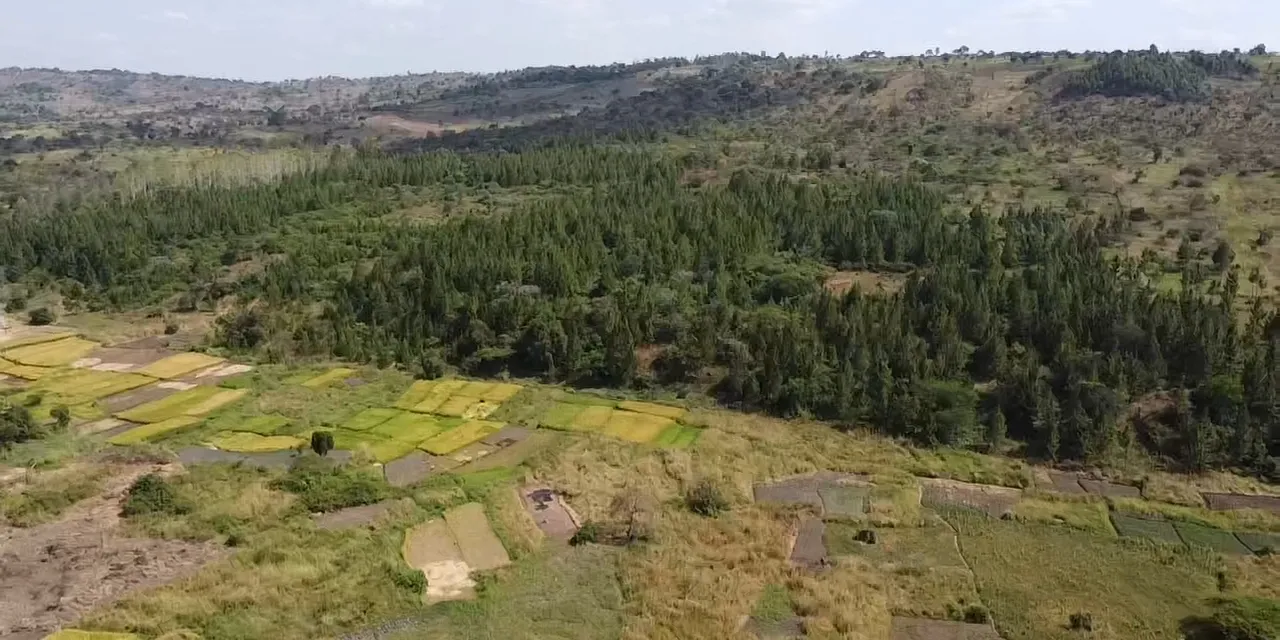
Agroforestry initiatives, encompassing the intentional integration of trees with agricultural crops and animals, offer a multitude of benefits to the Catholic Diocese of Rulenge - Ngara in East Africa. These initiatives not only contribute to the well-being of people, plants, and the environment but also provide essential ecological services that are highly valued.
Enhancing Food Security
Agroforestry diversifies agricultural production, ensuring a more resilient and stable food supply for communities within the Diocese. By growing a variety of crops alongside trees, farmers can mitigate the risks associated with mono-cropping and increase the availability of nutritious foods. Additionally, agroforestry systems can provide a sustainable source of fodder for livestock, supporting animal husbandry practices and further contributing to food security.
Conservation of Soil and Water
One of the primary benefits of agroforestry is its ability to protect and conserve soil and water resources. By establishing tree cover and implementing conservation practices such as contour planting and mulching, agroforestry helps prevent soil erosion, improve soil structure, and enhance water retention capacity. These measures are crucial for maintaining soil fertility, preventing land degradation, and ensuring the long-term sustainability of agricultural production within the Diocese.
Biodiversity Conservation
Agroforestry promotes biodiversity by creating habitats for a variety of plant and animal species within agricultural landscapes. The integration of trees provides nesting sites, food sources, and shelter for wildlife, thereby enhancing ecological diversity and resilience. Moreover, agroforestry systems support the conservation of native tree species and contribute to the preservation of genetic resources, essential for maintaining ecosystem balance and resilience to environmental changes.
Habitat Restoration
In addition to conserving biodiversity, agroforestry initiatives can also contribute to habitat restoration efforts within the Diocese. By rehabilitating degraded lands and establishing agroforestry systems, farmers can restore ecosystem functions, improve soil health, and promote natural regeneration of vegetation. These initiatives are particularly important for reversing the effects of deforestation, land degradation, and habitat fragmentation, thereby enhancing the overall ecological integrity of the region.
Building Local Economic Capacity
Agroforestry offers opportunities for income generation and economic development within the Diocese. By diversifying agricultural production and incorporating value-added activities such as agro-processing and eco-tourism, agroforestry creates employment opportunities and stimulates local economic growth. Moreover, the sale of tree products such as fruits, timber, and medicinal plants provides additional sources of income for farmers, contributing to poverty alleviation and socio-economic empowerment.
Climate Resilience
Agroforestry enhances the resilience of farming systems to climate variability and extreme weather events. The presence of trees helps regulate microclimates, reduce temperature extremes, and mitigate the impacts of droughts and floods. Additionally, agroforestry systems sequester carbon dioxide from the atmosphere, mitigating greenhouse gas emissions and contributing to climate change mitigation efforts within the Diocese.
Agroforestry initiatives hold immense potential for benefiting the Catholic Diocese of Rulenge - Ngara in East Africa. From enhancing food security and conserving soil and water resources to promoting biodiversity conservation and building local economic capacity, agroforestry offers a holistic approach to sustainable land management and agricultural development. By embracing agroforestry practices, the Diocese can address pressing challenges while fostering resilience, prosperity, and environmental stewardship for present and future generations.
Agroforestry Initiatives
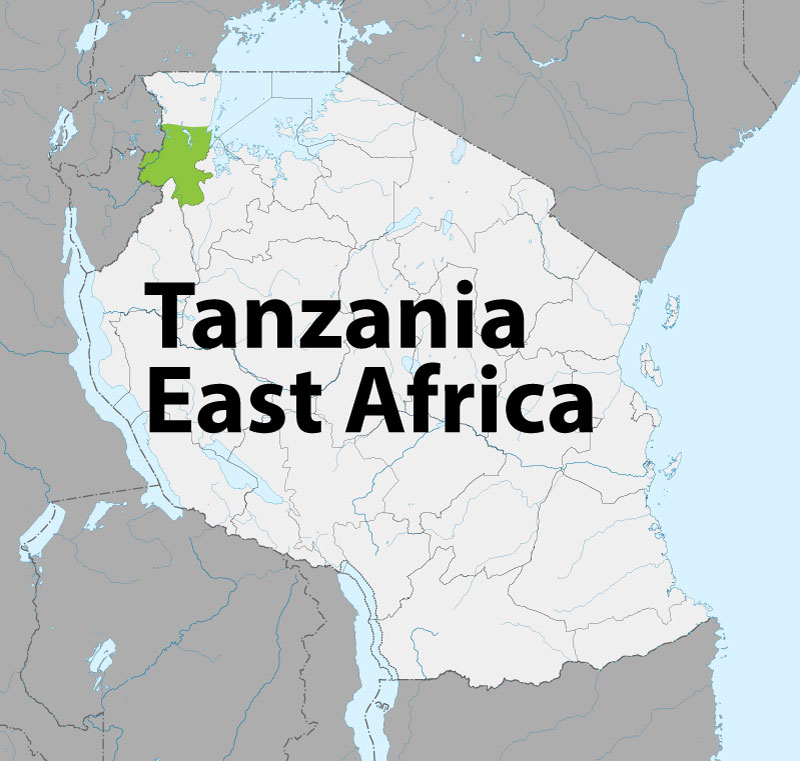
The Rulenge-Ngara Diocese is within Tanzania, East Africa and near Lake Victoria. It borders Rwanda, Burundi, the Democratic Republic of the Congo, and Uganda. This part of the region has experienced a recurring influx of refugees since 1959; the major, and most extraordinary, event occurring in 1994 that saw the migration of more than one million refugees into the country. The socio-economic situation of the Diocese is that of subsistence agricultural production which accounts for more than 90% of the population.
Given the unique socio-economic and environmental context of the Diocese of Rulenge-Ngara, agroforestry initiatives can be instrumental in addressing the challenges faced by the region and fostering sustainable development. Here are some key points that support the implementation of agroforestry projects within the Diocese.
Environmental Conservation and Resource Management
The Diocese of Rulenge-Ngara is located in a region with significant environmental resources, including forests, water bodies, and fertile land. However, the influx of refugees and the pressure of small-scale agriculture have led to deforestation, soil degradation, and water scarcity. Agroforestry initiatives can help mitigate these environmental challenges by promoting sustainable land management practices, restoring degraded ecosystems, and conserving biodiversity. Donations towards agroforestry projects can contribute to environmental conservation efforts, ensuring the long-term sustainability of natural resources for future generations.
Food Security and Poverty Alleviation
The predominant livelihood in the Diocese is small-scale agriculture, with more than 90% of the population engaged in subsistence farming. However, many families struggle with poverty and food insecurity due to limited access to resources and climate variability. Agroforestry systems that integrate food crops with trees can enhance agricultural productivity, diversify income sources, and improve food security for local communities. Donations towards agroforestry initiatives can support the implementation of sustainable farming practices, training programs, and access to inputs and resources, thereby lifting families out of poverty and ensuring access to nutritious food for all.
Community Empowerment and Resilience
The cross-border mix of cultures and the history of recurring influxes of refugees have created a diverse and dynamic community in the Diocese of Rulenge-Ngara. Agroforestry initiatives can serve as platforms for community empowerment, fostering collaboration, and building resilience among different ethnic groups and populations. By engaging local communities in project planning and implementation, agroforestry initiatives can promote social cohesion, cultural exchange, and collective action towards common goals. Donations towards agroforestry projects can support capacity-building activities, community outreach, and the establishment of sustainable livelihoods, empowering communities to thrive in the face of adversity.
Climate Change Adaptation and Mitigation
The Great Lakes region, including the Diocese of Rulenge-Ngara, is vulnerable to the impacts of climate change, including changes in rainfall patterns, temperature extremes, and increased frequency of extreme weather events. Agroforestry systems enhance resilience to climate variability by improving soil health, conserving water resources, and providing natural buffers against environmental stresses. Agroforestry initiatives support the adoption of climate-smart agricultural practices, the planting of tree species resilient to climate change, and the development of adaptive strategies to mitigate the impacts of climate change on local communities.