Planting Hope, Caring for God’s Creation
July 19, 2026MALEBA FARM – PROGRESS UPDATE AND CONTINUED SUPPORT APPEAL
Agricultural Activities and the Rainy Season.
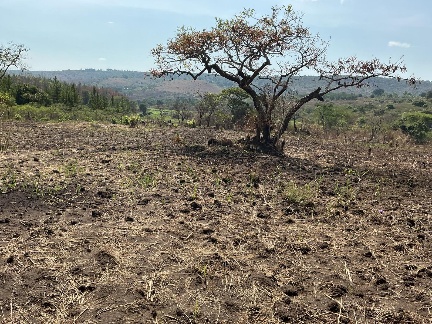
At Maleba Farm, the climate generally has two main rainy seasons each year. The first rainy season normally runs from September to December, while the second season begins around February and continues into early May.
As we enter this first planting season, community members have already prepared their fields and are getting ready to plant a variety of crops. The main challenge now is uncertainty surrounding the weather forecast for this season, particularly concerns about the possibility of El Niño-related heavy rainfall.
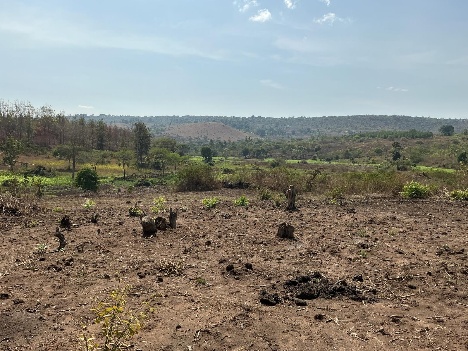
Excessive rainfall can create serious challenges for farmers, especially in low-lying areas like Maleba. It can cause flooding, soil erosion, waterlogging, destruction of crops, and significant losses after farmers have invested considerable time and resources in preparing their land. It once happened in 1996.
Much of the agricultural land at Maleba is in a valley, which makes us particularly mindful of the possibility of heavy rain. At the same time, there are higher and mountainous areas where additional farmland can be prepared in the future. We are therefore looking at ways of gradually expanding agricultural activities into areas that may be less vulnerable to excessive water.
For now, the fields have been prepared, and we are waiting for the rains to begin so that we can observe the conditions and determine the best way forward. We remain hopeful that the season will provide enough rainfall to support good crop production without causing major damage.
Maleba Farm Poultry Project: A Ready Foundation for a Growing Vision.
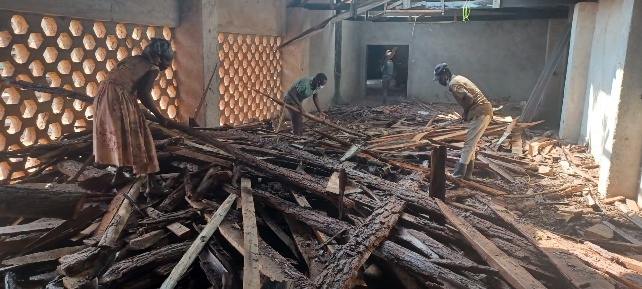
We are pleased to share an exciting development at Maleba Farm: our poultry house is already in place and the project is now ready to move into the next stage — starting poultry farming.
Our vision is to establish a sustainable poultry project that will include both egg-laying chickens and broiler chickens for meat production.
Having the main building already available is an important first step, but there is still significant work and investment required before the farm can begin operating at full capacity.
What Needs to Be Done?
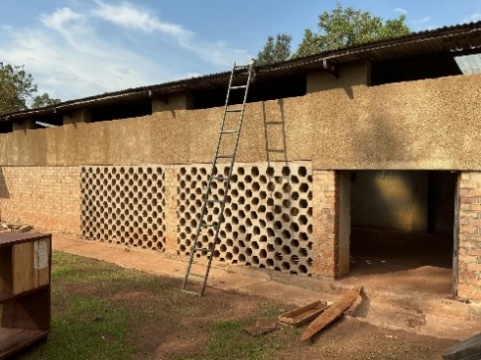
The next phase will involve preparing the farm to provide a safe, healthy, and productive environment for the chickens. This includes constructing and equipping the appropriate housing areas where the chickens will live, as well as putting in place all the essential facilities needed for successful poultry production.
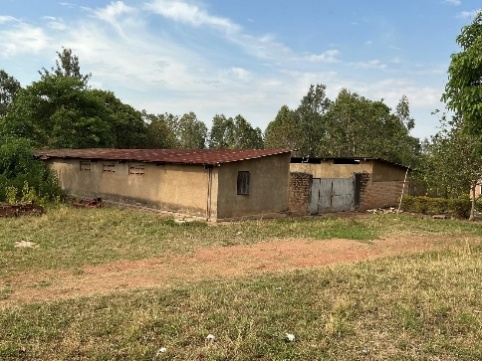
Among the key requirements are:
- Construction and preparation of suitable poultry housing where the chickens can live safely and comfortably.
- Installation of electricity to provide reliable lighting, ventilation, heating where necessary, and power for essential farm equipment.
- Recruitment of experienced poultry workers who understand proper chicken management, feeding, hygiene, disease prevention, and daily farm operations.
- Purchase of day-old chicks, including both broiler chicks and layers, depending on the production plan.
- Purchase quality poultry feed to ensure healthy growth and good egg production.
- Veterinary medicines, vaccines, and other health supplies to protect the chickens from diseases and maintain a healthy flock.
- Feeding and drinking equipment, together with other essential poultry-farming tools and supplies.
- Proper sanitation and biosecurity measures to reduce the risk of disease entering or spreading within the farm.
- Ongoing operational costs, including water, electricity, feed, labor, veterinary care, maintenance, and other day-to-day expenses. All of these requirements involve financial investment. While having the existing building gives us a strong starting point, transforming the facility into a fully functional poultry farm requires additional resources.
Professional Assessment Coming Soon.
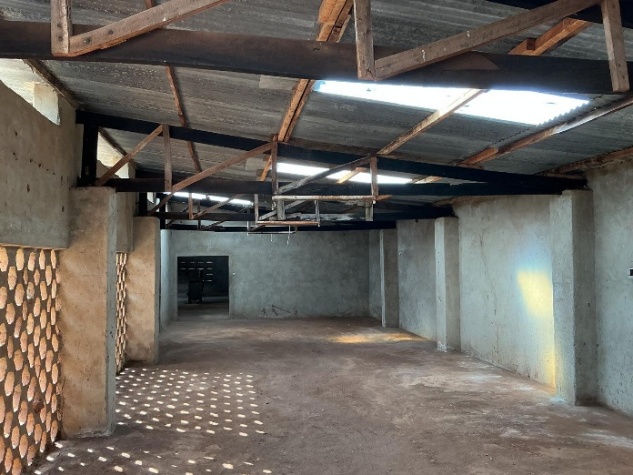
As we prepare for this next stage, a professional poultry-house construction specialist will visit Maleba Farm in the coming days to assess the existing facilities and determine exactly what needs to be constructed, improved, or installed.
The specialist will provide a detailed assessment of:
- The condition and suitability of the existing structure.
- The additional poultry housing and facilities required.
- The materials and equipment needed.
- The estimated construction and installation costs.
- The resources required to prepare the farm for the arrival of the chickens.
This assessment will help us develop a realistic budget and a clear implementation plan, ensuring that every contribution is directed toward the most important needs of the project.
Your Support Can Help Us Take the Next Step.
We are deeply grateful to everyone who has supported the vision of Maleba Farm. We now appeal to people of goodwill, friends, partners, well-wishers, and anyone who believes in empowering communities through sustainable agricultural projects to continue standing with us.
The poultry project is more than simply keeping chickens. It is an opportunity to build a sustainable source of food, income, skills, employment, and long-term economic opportunity.
Every contribution, whether large or small, can help us move closer to making this vision a reality. Support can help provide construction materials, electricity, chicks, feed, medicines, equipment, and the human resources required to operate the farm successfully. The building is ready. The vision is alive. The next step is investment.